Industrial Lift Tables: A Must-Have for Efficient Material Handling
In modern industrial environments, efficiency, safety, and ergonomics are key priorities. As manufacturing, logistics, warehousing, and assembly operations continue to grow, the need for more efficient material handling solutions has risen significantly. One such essential piece of equipment is the industrial lift table.
Often overlooked compared to forklifts or pallet jacks, industrial lift tables play a crucial role in improving workflow efficiency and reducing workplace injuries. They provide a stable platform for lifting, lowering, and positioning heavy loads, making material handling safer and more ergonomic for workers.
This article explores what industrial lift tables are, their types, benefits, applications, and why they are considered a must-have in today’s industrial operations.
What Is an Industrial Lift Table?
An industrial lift table is a mechanical device designed to raise and lower heavy loads to a comfortable working height. It typically uses hydraulic, pneumatic, or mechanical systems to adjust the platform height.
The main purpose of a lift table is to eliminate the need for manual lifting, reducing physical strain on workers and improving operational efficiency. It is widely used in environments where repetitive lifting or positioning of materials is required.
How Industrial Lift Tables Work
Most industrial lift tables operate using a hydraulic system. When the operator activates the control mechanism, hydraulic fluid is pumped into cylinders, raising the platform. To lower the table, the fluid is released in a controlled manner.
Some models use:
- Hydraulic systems for heavy-duty lifting
- Electric systems for precision and automation
- Pneumatic systems for lighter loads and faster cycles
This simple yet effective mechanism makes lift tables reliable and easy to operate in various industrial settings.
Types of Industrial Lift Tables
Different types of lift tables are designed to meet specific operational needs. Choosing the right type depends on load capacity, application, and workspace requirements.
1. Stationary Lift Tables
Stationary lift tables remain fixed in place and are widely used in production lines and assembly areas.
Features:
- High load capacity
- Stable platform
- Fixed installation
Applications:
- Assembly lines
- Packaging stations
- Workstations requiring consistent height adjustment
They are ideal for repetitive tasks where materials need to be lifted to a fixed working height.
2. Mobile Lift Tables
Mobile lift tables come with wheels, allowing them to be moved easily around the workplace.
Features:
- Portable design
- Flexible usage
- Adjustable height
Applications:
- Warehouses
- Maintenance operations
- Loading and unloading tasks
They are perfect for operations that require mobility and flexibility.
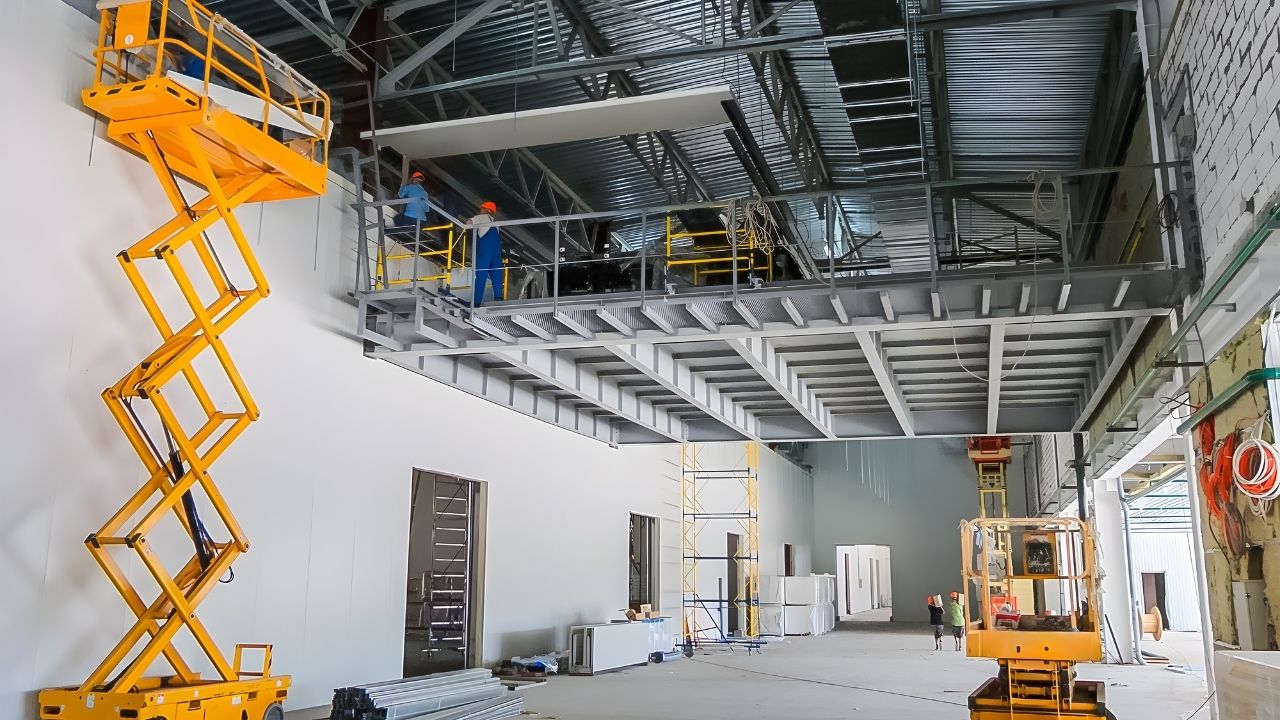
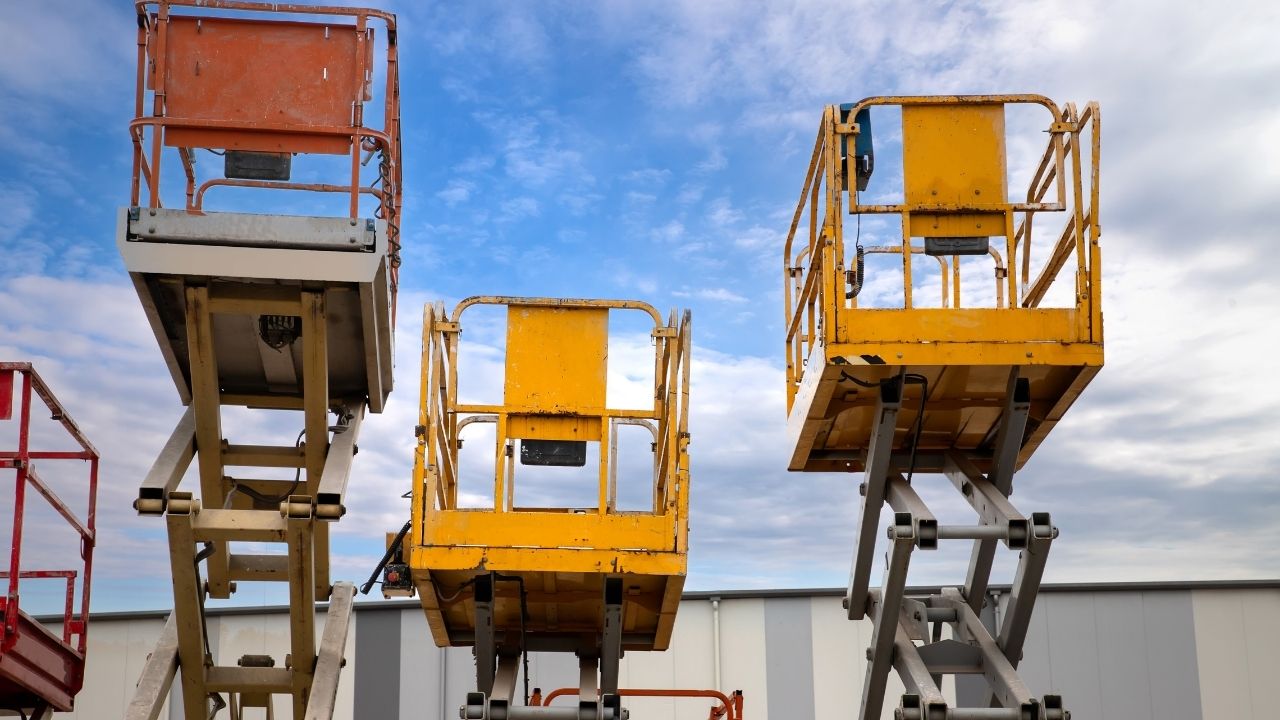
3. Scissor Lift Tables
Scissor lift tables use a crisscross (scissor) mechanism to raise and lower the platform.
Features:
- Strong lifting capacity
- Smooth vertical movement
- Available in manual, hydraulic, or electric versions
Applications:
- Manufacturing plants
- Warehousing
- Heavy-duty lifting tasks
They are one of the most commonly used types due to their stability and versatility.
4. Tilt Lift Tables
Tilt lift tables allow the platform to tilt at an angle, making it easier to access materials.
Features:
- Adjustable tilt angle
- Ergonomic design
- Improved accessibility
Applications:
- Parts assembly
- Sorting and picking operations
- Packaging processes
They help reduce bending and stretching, improving worker comfort.
5. Low-Profile Lift Tables
Low-profile lift tables are designed with a very low minimum height, allowing easy loading without a ramp.
Features:
- Easy pallet loading
- Space-saving design
- Heavy-duty capacity
Applications:
- Warehouse operations
- Pallet handling
- Loading stations
They are ideal for environments where space efficiency is important.
Key Benefits of Industrial Lift Tables
Industrial lift tables offer several advantages that make them essential in material handling operations.
1. Improved Workplace Ergonomics
One of the biggest benefits is improved ergonomics. Lift tables reduce the need for workers to bend, lift, or carry heavy loads manually.
This helps:
- Reduce strain on the back and joints
- Prevent repetitive stress injuries
- Improve worker comfort and productivity
Ergonomic design is especially important in industries with repetitive tasks.
2. Increased Productivity
By raising materials to an optimal working height, lift tables reduce unnecessary movement and improve workflow efficiency.
Workers can:
- Access materials more easily
- Complete tasks faster
- Reduce downtime caused by manual lifting
This leads to a more efficient and streamlined production process.
3. Enhanced Workplace Safety
Manual lifting is one of the leading causes of workplace injuries. Lift tables significantly reduce these risks.
Safety benefits include:
- Reduced risk of lifting injuries
- Stable platform for heavy loads
- Controlled lifting and lowering mechanism
A safer workplace also reduces compensation costs and downtime.
4. Versatility Across Industries
Industrial lift tables are highly versatile and can be used in various industries, including:
- Manufacturing
- Warehousing
- Automotive repair
- Food processing
- Logistics and distribution
Their adaptability makes them suitable for a wide range of applications.
5. Cost Efficiency
While lift tables require an initial investment, they offer long-term cost savings by:
- Reducing workplace injuries
- Improving operational efficiency
- Minimizing manual labor requirements
Over time, they contribute to lower operational costs and higher productivity.
Applications of Industrial Lift Tables
Industrial lift tables are used in many different environments and processes.
Manufacturing
Used in assembly lines to position components at ergonomic heights for workers.
Warehousing
Used for loading, unloading, and organizing goods efficiently.
Packaging Industry
Helps in raising products to a convenient height for packing and sealing.
Automotive Industry
Used in repair and maintenance workshops to lift vehicle parts.
Food Processing
Ensures hygienic handling and reduces contamination risks by minimizing manual contact.
How to Choose the Right Industrial Lift Table
Selecting the right lift table depends on several important factors.
1. Load Capacity
Ensure the lift table can safely handle the maximum weight of your materials.
2. Platform Size
Choose a platform size that fits your materials comfortably.
3. Lifting Height
Consider the maximum and minimum height required for your operations.
4. Frequency of Use
Heavy-duty operations require more durable and high-performance models.
5. Environment
Indoor or outdoor use will determine the material and design requirements.
6. Power Source
Choose between manual, hydraulic, or electric systems based on efficiency needs.
Maintenance Tips for Lift Tables
Proper maintenance ensures long-term performance and safety.
Key maintenance practices include:
- Regular inspection of hydraulic systems
- Lubrication of moving parts
- Checking for leaks or damage
- Ensuring proper load distribution
- Routine safety checks
Well-maintained equipment reduces downtime and extends service life.
Final Thoughts
Industrial lift tables are an essential component of modern material handling systems. They improve safety, enhance productivity, and reduce physical strain on workers across various industries.
From manufacturing and warehousing to automotive and food processing, lift tables provide a reliable solution for handling heavy loads efficiently and ergonomically.
As industries continue to evolve, investing in the right lift table can significantly improve operational performance and workplace safety. For businesses aiming to optimize efficiency, industrial lift tables are no longer optional—they are a necessity.